Death is one of life’s greatest mysteries and the Bible speaks about it with both honesty and hope. As people read the Old Testament, they often encounter the word Sheol and wonder what it means. Is Sheol the same as hell?
Is it a place of punishment, or does it have another meaning?
These are important questions that have been studied by Christians for centuries.
The word Sheol appears many times in the Old Testament and describes the place of the dead. Understanding its meaning helps readers better interpret many passages of Scripture and appreciate the Bible’s unfolding message about life, death and the hope of resurrection.
Many people search for the Sheol meaning in the Bible because they want to understand its biblical significance, spiritual meaning and how it differs from other terms such as Hades, hell or Gehenna. Learning these distinctions provides a clearer picture of what the Bible actually teaches.
The Bible ultimately points believers beyond death to the hope found in Jesus Christ. While Sheol describes the realm of the dead in the Old Testament, the New Testament reveals God’s plan for victory over death through Christ’s resurrection.
Understanding the biblical meaning of Sheol can strengthen your confidence in God’s promises and deepen your appreciation for the hope of eternal life.
So, what is the true Sheol meaning in the Bible and what spiritual lessons does it offer believers today?
Biblical Meaning of Sheol
The Sheol meaning in the Bible refers to the realm or place of the dead in the Old Testament. It is the Hebrew word used to describe the unseen state where people went after death.
In many Old Testament passages, Sheol is presented as the common destination of the dead, without always distinguishing between the righteous and the wicked.
Sheol Is the Realm of the Dead
The Bible often speaks of people “going down to Sheol” after death.
For example:
“For you will not abandon me to Sheol, nor let your faithful one see decay.” (Psalm 16:10)
This verse expresses confidence that God would ultimately not leave His faithful servant in the realm of the dead.
Sheol Is Not Simply Another Word for Hell
One common misunderstanding is that Sheol always means hell.
In the Old Testament, Sheol generally refers to the place of the dead rather than the final place of judgment.
In the New Testament, the Greek word Hades often serves as the equivalent of Sheol, while Gehenna is more commonly used to describe final judgment.
Understanding these distinctions helps readers interpret Scripture more accurately.
God’s Power Over Sheol
The Bible teaches that God has authority even over death.
“The Lord brings death and makes alive; he brings down to Sheol and raises up.” (1 Samuel 2:6)
This verse reminds believers that life and death are under God’s sovereign control.
Hope Beyond Sheol
As God’s plan of redemption unfolds, Scripture increasingly points toward resurrection and eternal life.
Through Jesus Christ’s death and resurrection, believers have the hope of victory over death.
The biblical meaning of Sheol ultimately leads readers to the greater hope revealed in the gospel.
Spiritual Significance and Symbolism
The spiritual symbolism of Sheol centers on human mortality, the reality of death, God’s sovereignty, hope, resurrection, and eternal life.
One important lesson is that every human life is temporary.
The Bible encourages believers to live wisely, knowing that earthly life does not last forever.
Sheol also reminds Christians that death is not beyond God’s authority.
He alone holds power over life, death, and eternity.
The spiritual message of Sheol points believers toward the hope found in Jesus Christ.
Because of His resurrection, death does not have the final word for those who trust in Him.
Ultimately, the Bible calls Christians to place their confidence in God’s promises rather than fear death.
The hope of eternal life transforms the way believers live today.
Biblical Interpretations in Dreams or Real Life
Many people become interested in dream interpretation when they dream about darkness, graves, or departed loved ones.
Walking Through Darkness
This may symbolize:
- A difficult season
- Spiritual reflection
- The need for hope
- Trust in God’s guidance
- Personal growth
Emerging Into Light
Light often represents God’s presence, resurrection hope, and spiritual renewal.
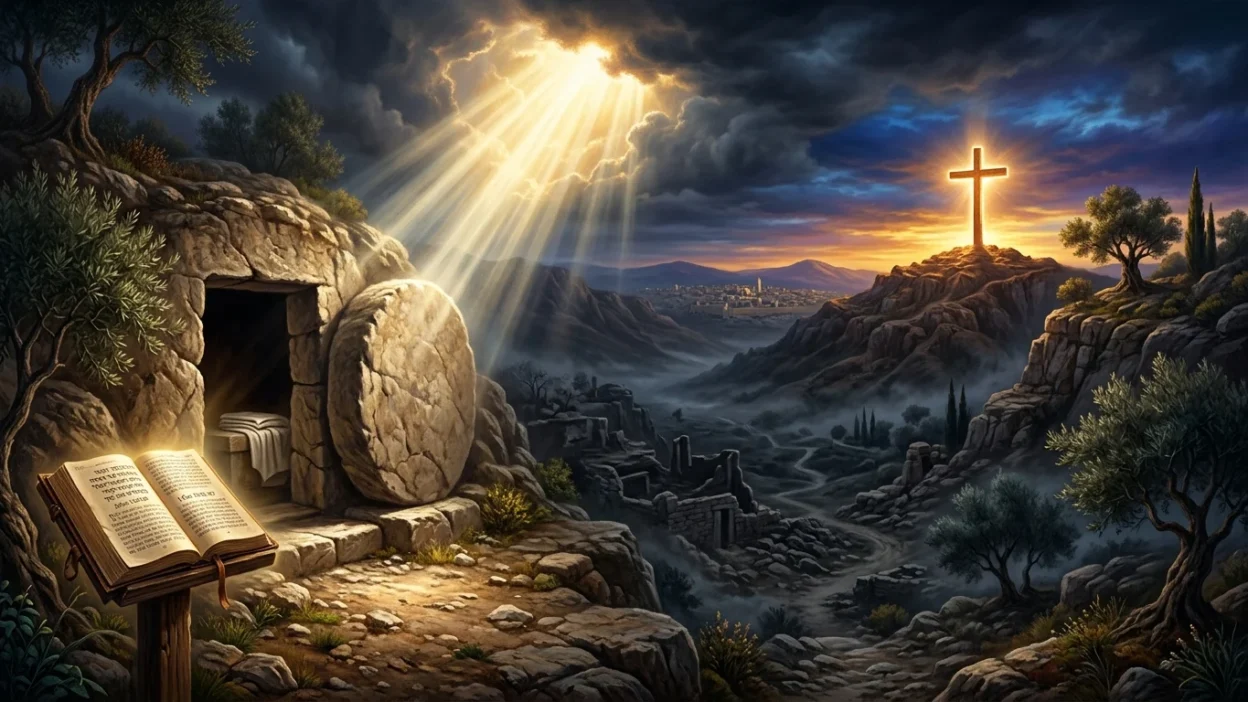
Empty Tombs
This may remind believers of Christ’s resurrection and the promise of eternal life.
Comfort From God’s Presence
Dreams of peace during difficult situations may encourage believers to trust God’s care and promises.
As with all dream interpretation, Christians should seek wisdom through prayer and Scripture rather than relying solely on symbolic meanings. Dreams should not be treated as authoritative sources of doctrine.
Practical Lessons & Faith Insights
Live each day with the hope found in Jesus Christ. Spend time in prayer, study God’s Word, and remember that death is not the end for those who trust in Him. Let the reality of eternity encourage you to love God, serve others, and faithfully share the hope of the gospel.
Conclusion
The Sheol meaning in the Bible refers to the realm of the dead in the Old Testament, reminding us of life’s temporary nature and God’s authority over death. While Sheol describes the state of the dead, the Bible’s message does not end there. Through Jesus Christ, God offers the hope of resurrection, forgiveness and eternal life.
As you reflect on the meaning of Sheol, may it deepen your trust in God’s promises and strengthen your confidence in the victory Christ has won over death. His gift of eternal life offers lasting hope, peace and assurance to all who believe.