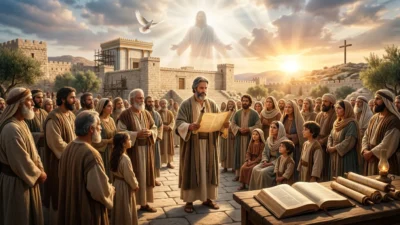
Have you ever wondered what it truly means to be humble according to the Bible? In a world that often celebrates pride, success, status and self promotion, Scripture gives us a very different picture. Biblical humility is not weakness. It is not thinking that you are worthless. Instead, humility means recognizing your need for God, putting others before yourself and living with a willing and teachable heart.
The humble meaning in the Bible is closely connected with meekness, obedience, dependence on God, selflessness and freedom from pride. Scripture repeatedly teaches that God honors those who humble themselves before Him.
What Does Humble Mean in the Bible?
To be humble means to have a modest view of yourself, submit to God, and avoid pride or arrogance.
Biblical humility means understanding that everything we have ultimately comes from God.
James gives a clear instruction:
“Humble yourselves before the Lord, and he will lift you up.” — James 4:10
Humility begins when we recognize that we are not in control of everything.
Instead of saying, “I can do everything by myself,” humility says, “I need God.”
Humility Is Not Thinking You Are Worthless
Biblical humility does not mean hating yourself or believing that you have no value.
God created every person in His image.
“So God created mankind in his own image.” — Genesis 1:27
Therefore, humility does not require you to deny your gifts, abilities, or worth.
Instead, humility means recognizing that your abilities are gifts from God and using them for His glory rather than for pride.
You can be confident without being arrogant.
You can be successful without looking down on others.
You can have leadership without believing you are better than everyone else.
Humility and Pride
The Bible repeatedly warns about pride.
Proverbs says:
“Pride goes before destruction, a haughty spirit before a fall.” — Proverbs 16:18
Pride says:
“I don’t need God.”
Humility says:
“I depend on God.”
Pride seeks attention for itself.
Humility gives glory to God.
Pride looks down on others.
Humility treats others with love and respect.
This does not mean that humble people never succeed. It means they understand who deserves the ultimate glory for their success.
Jesus Is the Perfect Example of Humility
The greatest example of biblical humility is Jesus Christ.
Paul wrote:
“He humbled himself by becoming obedient to death—even death on a cross!” — Philippians 2:8
Jesus had every reason to receive honor, yet He willingly served others.
He came into the world not to be served but to serve.
Jesus told His disciples:
“Whoever wants to become great among you must be your servant.” — Matthew 20:26
This completely changes the world’s idea of greatness.
According to Jesus, true greatness is connected with service.
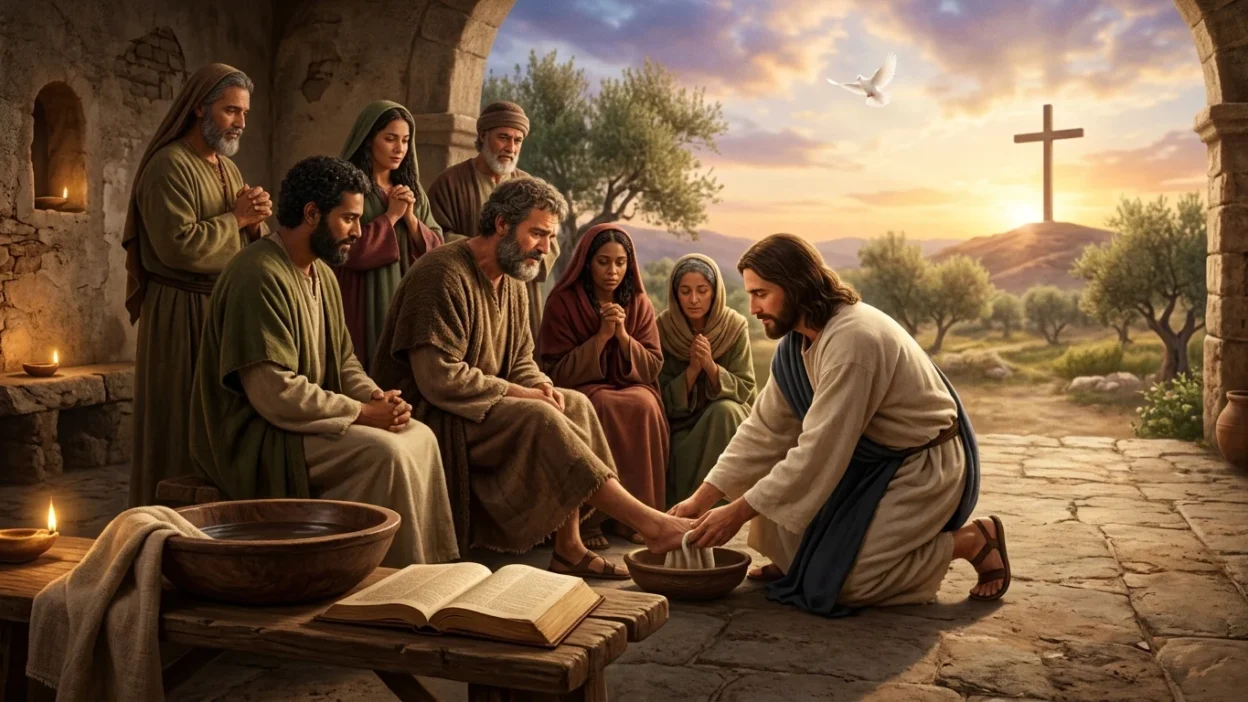
Jesus Washed His Disciples’ Feet
One of the clearest pictures of Jesus’ humility happened during the Last Supper.
Jesus washed His disciples’ feet.
This was a task normally associated with a servant.
Yet the Son of God willingly performed it.
Jesus then said:
“I have set you an example that you should do as I have done for you.” — John 13:15
Jesus was teaching His followers that humility is demonstrated through service.
A humble person is willing to help others even when the task seems small.
Humility Means Putting Others Before Yourself
Paul encouraged Christians:
“In humility value others above yourselves.” — Philippians 2:3
This does not mean that you should believe everyone else is better than you.
It means you should stop making yourself the center of everything.
Humility asks:
“How can I help?”
instead of always asking:
“What do I get?”
It means listening, serving, forgiving, encouraging, and caring about other people’s needs.
Humility and Obedience to God
Humility is also connected with obedience.
A humble heart is willing to listen to God’s instructions even when they challenge personal desires.
Micah gives a beautiful summary:
“What does the Lord require of you? To act justly and to love mercy and to walk humbly with your God.” — Micah 6:8
Walking humbly with God means living in dependence on Him.
It means allowing God’s Word to guide your choices.
Humility and God’s Grace
Scripture teaches that God gives grace to humble people.
James says:
“God opposes the proud but shows favor to the humble.” — James 4:6
This is a powerful warning.
Pride places us in opposition to God’s ways.
Humility opens our hearts to receive His grace.
When we admit that we need God, we become more willing to pray, repent, learn, and grow.
Humility Brings Wisdom
The Bible connects humility with wisdom.
Proverbs says:
“Humility is the fear of the Lord; its wages are riches and honor and life.” — Proverbs 22:4
A humble person is teachable.
They can admit when they are wrong.
They can receive correction.
They can learn from others.
They do not have to pretend that they know everything.
This makes humility an important part of spiritual maturity.
Spiritual Significance of Humility
The spiritual significance of being humble includes:
- Dependence on God
- Freedom from pride
- Obedience
- Teachability
- Service
- Selflessness
- Wisdom
- Repentance
- Grace
- Love for others
Humility changes the way we see both God and ourselves.
We see God as the source of everything good and recognize our need for Him.
What Does It Mean to Humble Yourself Before God?
When Scripture tells us to humble ourselves before God, it means to willingly submit our lives to Him.
This can include:
Praying
Admitting that you need God’s wisdom and help.
Repenting
Being willing to acknowledge your sins and turn away from them.
Obeying
Following God’s Word even when it is difficult.
Trusting
Giving your worries and plans to God.
Serving
Using your abilities to help others rather than simply seeking recognition.
Learning
Remaining teachable and accepting correction.
Humility During Difficult Times
Humility becomes especially important during hardship.
When life does not go according to our plans, we may be tempted to become angry with God or believe we can solve everything alone.
Peter gives this encouragement:
“Humble yourselves, therefore, under God’s mighty hand, that he may lift you up in due time.” — 1 Peter 5:6
Notice the words “in due time.”
Humility includes trusting God’s timing.
You may not understand what God is doing today, but you can still place your future in His hands.
Humility in Relationships
Humility can transform relationships.
It helps us:
- Listen instead of always speaking.
- Apologize when we are wrong.
- Forgive others.
- Avoid unnecessary arguments.
- Celebrate other people’s success.
- Serve without demanding recognition.
- Treat everyone with dignity.
A humble person does not need to win every argument.
Sometimes humility means choosing peace instead of proving that you are right.
Biblical Interpretation in Dreams or Real Life
If you dream about kneeling, serving someone, lowering yourself, washing feet, wearing simple clothing, or hearing the word “humble,” the Bible does not provide one universal interpretation for these experiences.
However, biblical themes of humility can encourage you to reflect on your relationship with God and others.
You might ask:
Am I allowing pride to control my decisions?
Am I willing to serve others?
Can I accept correction?
Am I trusting God with my plans?
Am I giving God credit for the blessings in my life?
These questions can help you apply the biblical meaning of humility to everyday life.
How to Practice Biblical Humility
Humility is not simply something we talk about. It is something we practice.
Start by giving God thanks every day.
Listen before speaking.
Admit your mistakes.
Help someone without expecting praise.
Celebrate another person’s success.
Pray for wisdom.
Forgive quickly.
Remember that your gifts are gifts from God.
Most importantly, look to Jesus as your example.
Conclusion
The humble meaning in the Bible is much deeper than simply being quiet or modest. Biblical humility means depending on God, rejecting pride, serving others, accepting correction, obeying God’s Word and giving God the glory.
Jesus showed the greatest example of humility by becoming a servant and willingly giving His life for others.
When we humble ourselves before God, we are not becoming less valuable. We are putting ourselves in the right relationship with our Creator.
True humility does not say, “I am worthless.” It says, “God is greater, I need Him and I am willing to serve.”
As Scripture reminds us:
“Humble yourselves before the Lord, and he will lift you up.” — James 4:10